How to build a budget MTG cube
Last updated: November 12, 2026

A cube is your own draft set: a curated pile of cards, usually 360, that you and seven friends draft from instead of opening booster packs. Nobody opens a pack, nothing gets wasted, and every pack is full of cards you chose because they are fun to play. Once it is built, a cube gives you endless drafts for the price of the cards in it.
The famous cubes are full of Power Nine and dual lands. You don't need any of that. The cheapest way in, and one of the most fun to play, is a pauper cube: every card in it was printed at common, which keeps the power level even and the cost low.
How big to make it
Eight players drafting three packs of 15 cards use 360 cards, which is why 360 is the standard size. If you usually play with four or six, you can start smaller and grow it, but build toward 360 so a full table never runs short.
Pick a power level
- Pauper cube: commons only. The cheapest to build, and the games are close because no single card takes over. Our pauper guide explains what counts as a common.
- Peasant cube: commons and uncommons. A little more cost, a lot more variety.
- Unpowered or vintage-style cube: the best cards ever printed. Wonderful, and very expensive. Most people start with one of the first two and upgrade over time.
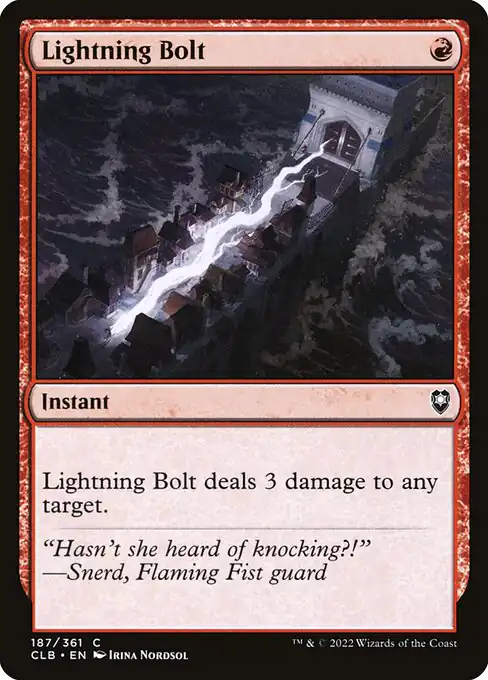
A card is pauper-legal if it was ever printed at common, even if the copy you own is a rare reprint. Lightning Bolt has been printed at every rarity; it is still a pauper card, so any printing works in your cube.
Balance the colours first
Every colour needs enough playables for at least two drafters to end up in it. A common starting split for 360 cards:
- About 50 cards in each of the five colours (250 in all).
- About 40 multicolour cards and two-colour lands, spread evenly across the ten colour pairs.
- About 30 colourless cards and artifacts that any deck can play.
- About 40 lands for fixing.
Keep the creature-to-spell mix similar in every colour, and count each colour's removal: a colour with too little removal gets passed over and its cards come back at the end of each pack.
Give each colour pair a plan
The best cubes have a clear archetype for each two-colour pair, so drafters can see a lane opening. White-blue fliers, black-red sacrifice, blue-green ramp, red-white aggro and black-green graveyard decks are classic starting points. When you add a card, ask which archetype wants it; a card that fits two archetypes is worth more than one that fits none.
Pauper cube staples
These commons show up in almost every pauper cube, and they make good first purchases:
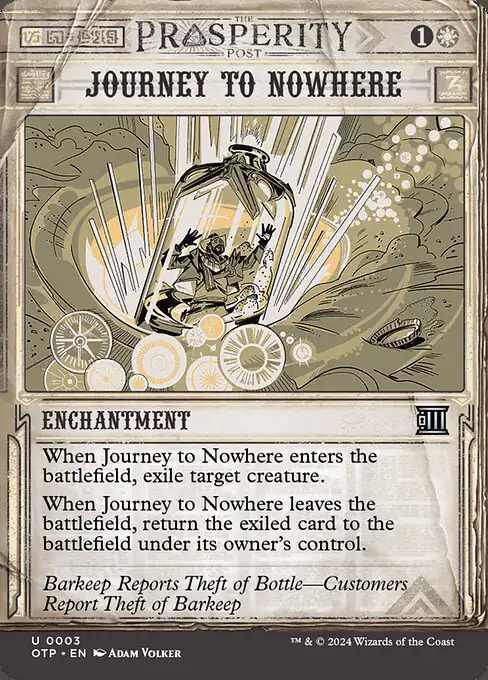
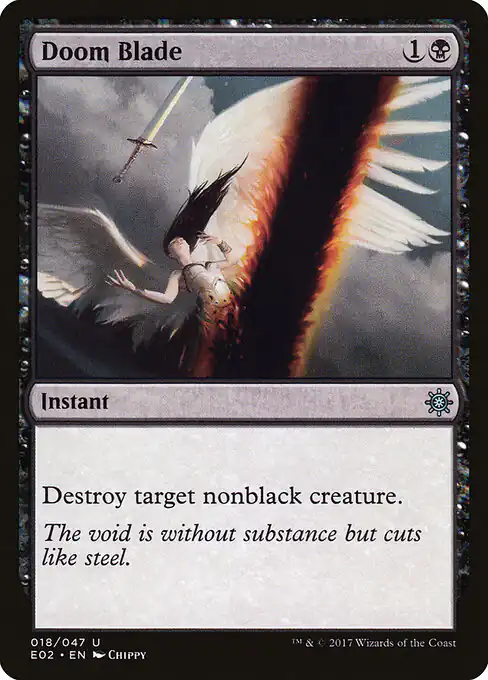
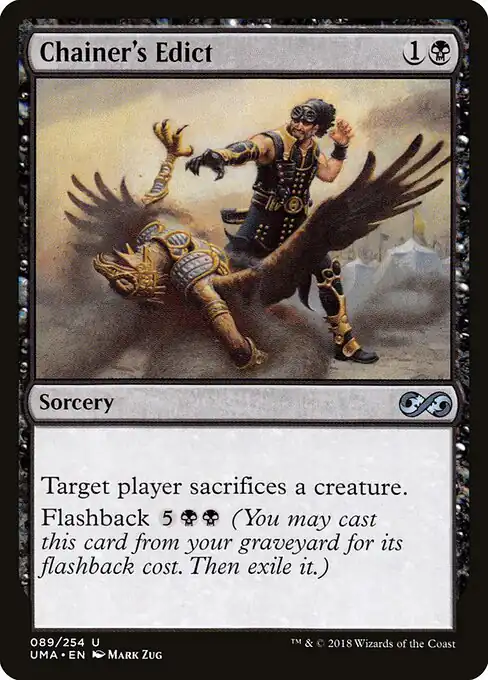
- Removal: Lightning Bolt, Firebolt, Journey to Nowhere, Doom Blade, Chainer's Edict, Snuff Out and Pestilence.
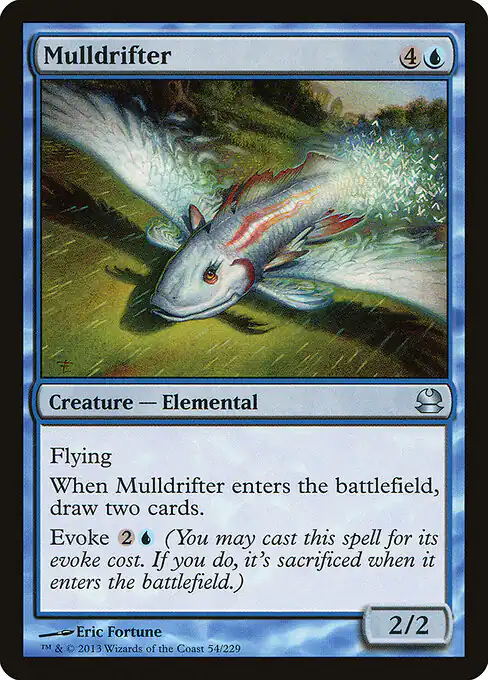
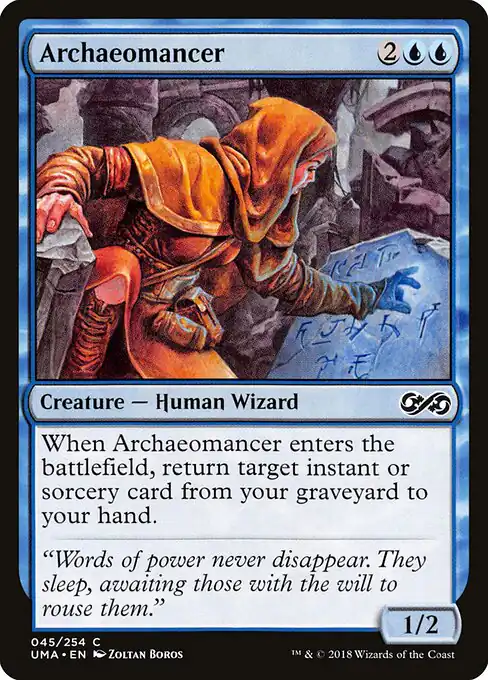
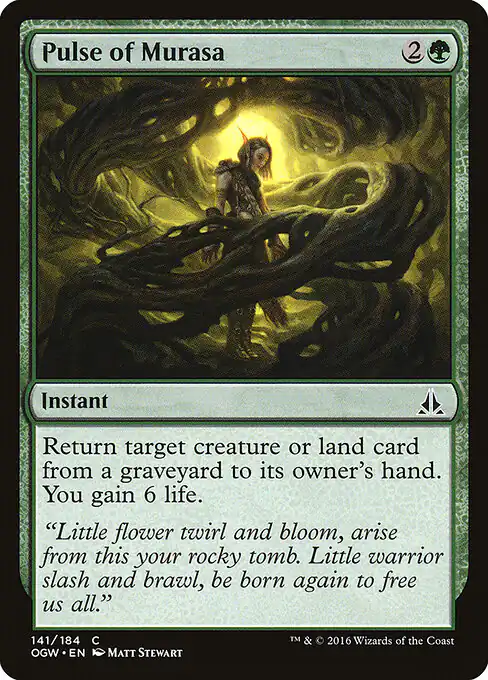
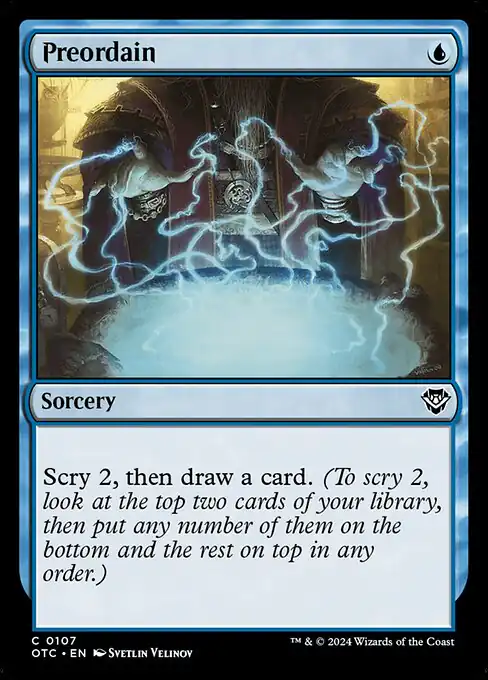
- Card advantage: Mulldrifter, Phyrexian Rager, Archaeomancer and Pulse of Murasa.
- Smoothing: Preordain, Ponder, Brainstorm and Faithless Looting.
- Interaction: Counterspell, Man-o'-War and Capsize.
- Threats: Ninja of the Deep Hours, Kor Skyfisher, Battle Screech and Gurmag Angler.
- Ramp: Llanowar Elves and Elvish Mystic.
Our common singles and pauper-legal singles are the places to browse, and most pauper staples fall under $5.
Fixing makes two-colour decks possible
Without fixing, every drafter ends up in one colour and the multicolour cards rot. Put a fixing land for every colour pair in the cube: the ten Guildgates (such as Azorius Guildgate) and the five Thriving lands (Thriving Heath, Thriving Isle and the rest) cover it at common, and Evolving Wilds and Ash Barrens fit any deck.
Play it, then cut
Your first version will have cards nobody picks. After each draft, note the cards that came back last in every pack and swap them out. That loop is half the fun of owning a cube.
Buying the whole list at once
Write your list one card per line and paste it into the Deck Builder: it matches every line against our stock, picks the cheapest printing in stock and adds the lot to your cart. Cards we don't have can go on your want list, and we email you when they come in.
Cards from this guide, in stock